UptimeRobot alternative: free uptime monitoring you can use for work
UptimeRobot's free plan has been personal-use only since its October 2024 terms change - business monitoring requires a paid plan. If that email or that clause sent you searching, here's a free tier that explicitly allows commercial use, and what to check before you switch.

The AlertKick team
For years, “just use UptimeRobot” was the reflex answer for free uptime monitoring, and it earned that status - 50 free monitors was a genuinely generous deal for a long time. That changed in October 2024, when UptimeRobot updated its Terms of Service: from December 2024, the free plan is restricted to personal, non-commercial use. Monitoring business websites, anything revenue-generating, client sites, or services operated for a for-profit organisation now requires a paid plan (open-source projects, education, and nonprofits are exempt). Their help center spells it out.
To be fair to them: charging businesses for business monitoring is a legitimate model, and if the paid plan fits your needs, it’s a fine product. But if you’re one of the many who quietly monitored a work site, a client’s shop, or your startup’s app on the free tier, you’re now either out of terms or shopping. Hence, presumably, this page.
What to actually check before you pick a replacement
Switching uptime tools is a twenty-minute job, so the bar isn’t high - but four clauses are worth reading before you re-create your monitors anywhere:
- Commercial use on the free tier, in writing. The lesson of this episode: a free tier’s terms can change under you. Prefer vendors that state commercial use is allowed rather than leaving it ambiguous.
- Check interval and alert latency. Free tiers commonly check every 5 minutes; paid usually buys 1-minute checks. Know which you’re getting and whether it matters for your SLA.
- Where alerts land. Email is table stakes; if your team lives in Slack or Telegram, make sure the free tier includes those rather than gating them.
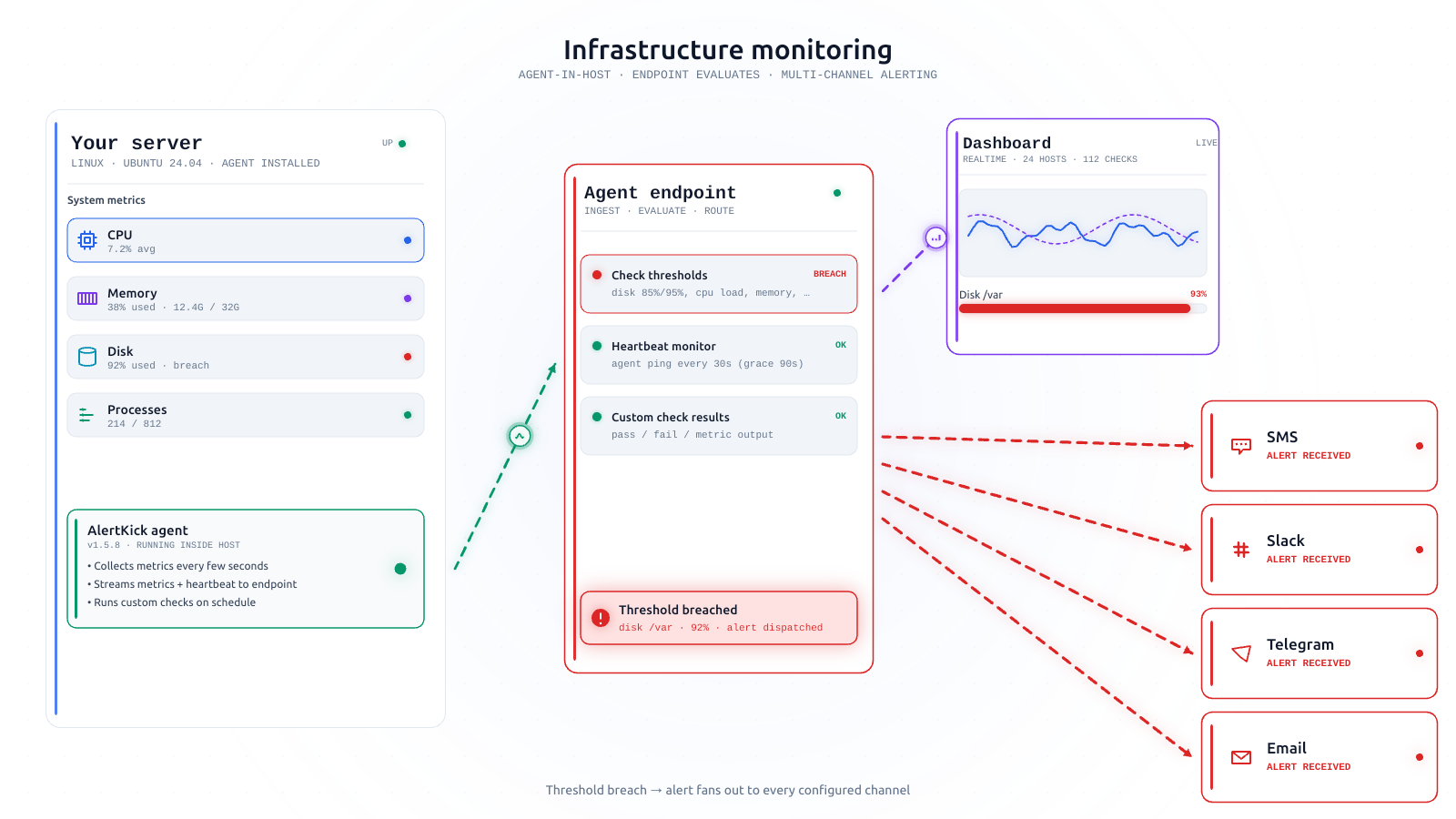
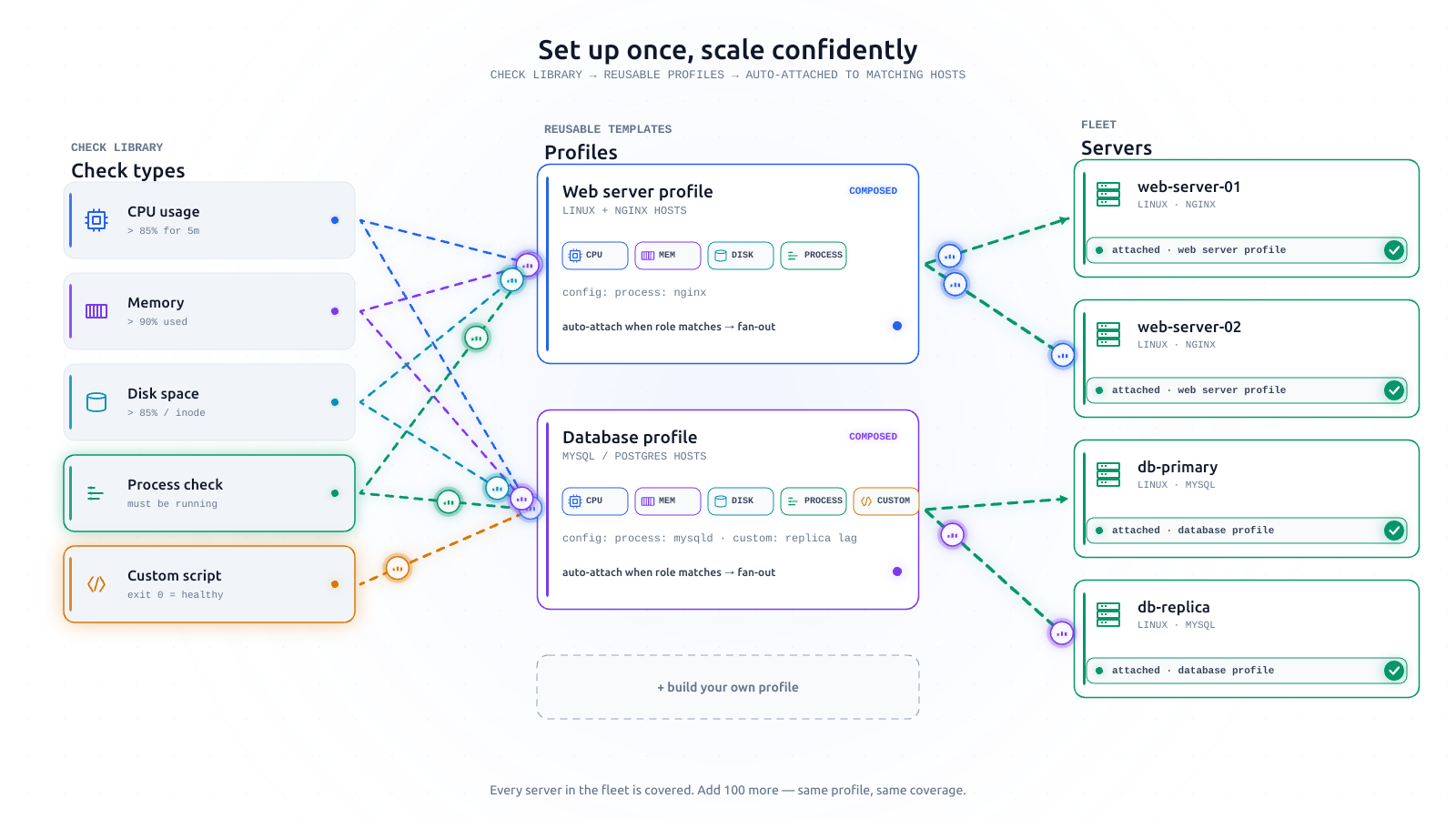
- What the upgrade path buys. You will eventually want more than up/down pings. If the paid tier of your uptime tool is just more pings, the next real need - server metrics, cron-job monitoring, security - means adding another tool. Count the pile you’re signing up for, not the first tile.
Where AlertKick fits
AlertKick’s free tier was designed with this exact situation in mind:
- 10 monitors and heartbeats, checks every 5 minutes, 7-day retention - and commercial use is explicitly fine. No card required, no trial clock.
- Alerts to email, Telegram, and Slack on the free tier.
- Heartbeat monitoring included in those 10 - so your backup cron job gets watched, not just your homepage.
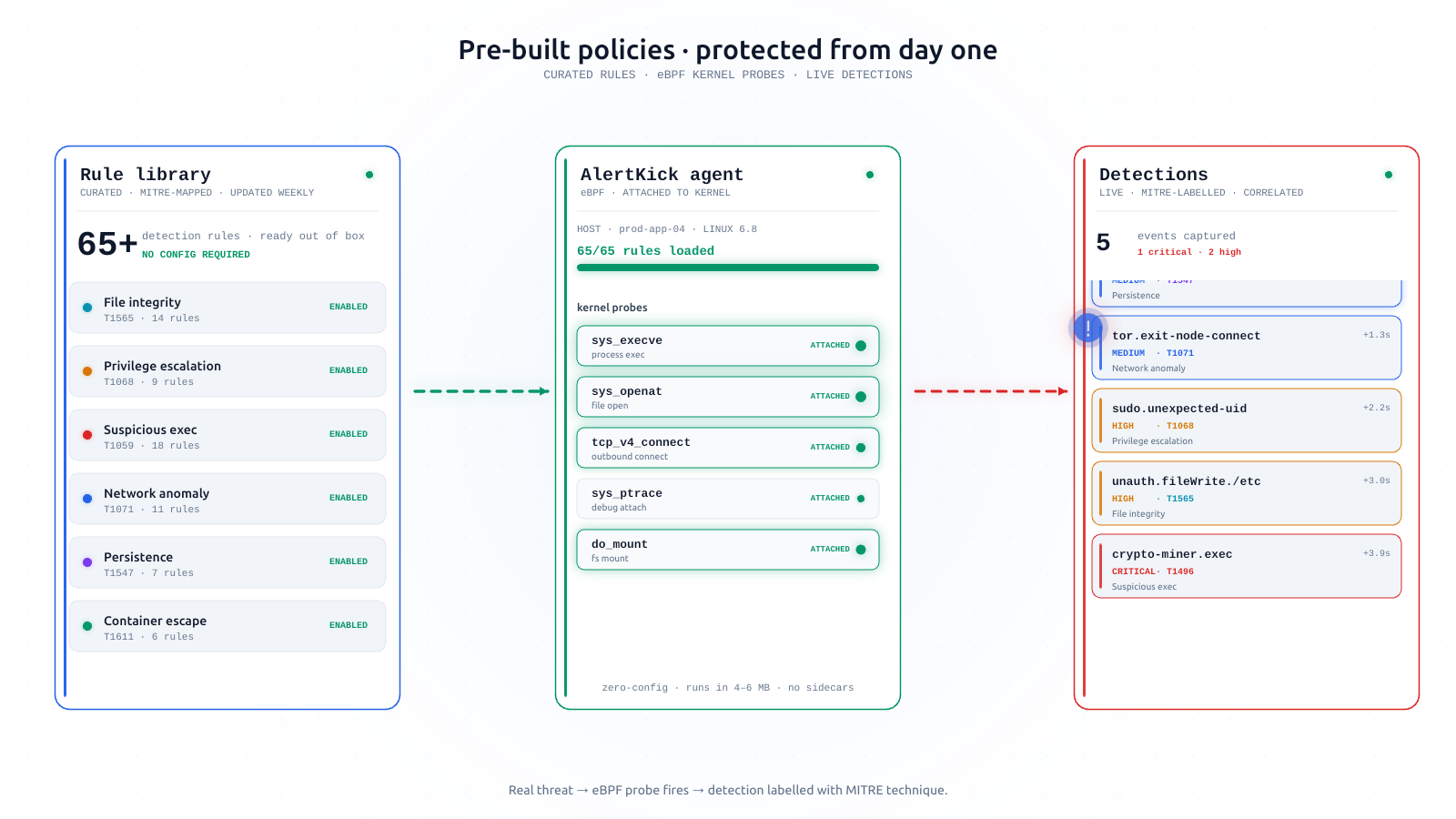
The honest limits: 10 monitors is fewer than UptimeRobot’s old free 50. If you need sheer monitor count for personal projects, their free tier (used within its terms) still serves that. AlertKick’s free tier is smaller but usable for work - and the upgrade path is a different shape entirely: Professional doesn’t just buy more pings, it puts an agent on your servers with eBPF security included, 1-minute checks, AI triage, and on-call escalation - the things you’d otherwise assemble from three more subscriptions. (And when the stakes rise: a 30-day money-back guarantee rather than a leap of faith.)
Migrating is genuinely quick
- List your current monitors (URL, interval, keyword checks if any).
- Register free - no card - and re-create them; a typical set takes under fifteen minutes.
- Point your cron jobs’ ping URLs at AlertKick heartbeats (one URL swap per script).
- Connect Telegram or Slack, then break something on purpose - a test monitor pointed at a dead port - and watch the alert arrive before you trust it with production.
- Run both tools in parallel for a week if you like belt and braces, then retire the old one.
Free monitoring that can’t legally watch your business isn’t free for you anymore. Start with a tier that says work is welcome - and grows into the monitoring you’ll need next, instead of just more of the monitoring you have.